As part of the SWITCH Hub Marathon, the Berlin Hub led by VFnuK brought together three days of learning, reflection and hands-on work across very different parts of the food system. Taking place on three days between 25 June and 8 July, the summer school moved from a farm in Brandenburg, to a community kitchen in Berlin, and finally to a workshop with Berlin district authorities working on health and food policy.
The three days reflected the different entry points through which the SWITCH Berlin Hub has been working to strengthen local food systems: developing knowledge and tools that connect the city with its surrounding countryside and producers, community food initiatives such as kufas (community kitchens) and food policy and planning.
The summer school created space to look at how the different actors connect and how experiences from one level can inform action at another.
Learning from the countryside: beyond the producer–consumer relationship
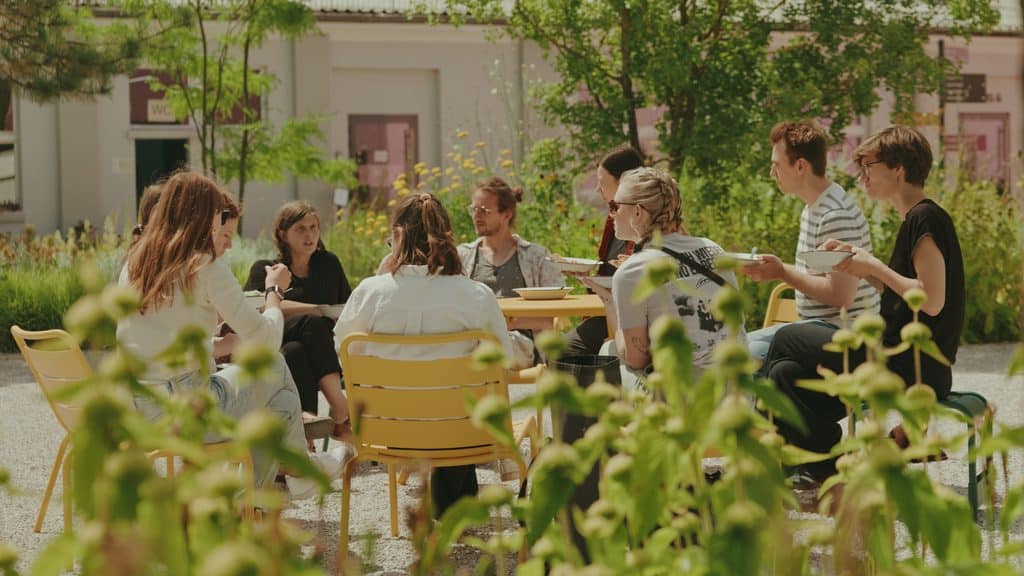
The first day took the VFnuK out of Berlin and into Brandenburg. On 25 June, we visited farmer and activist Julia Bar-Tal at her farm in Garz.
The visit offered an opportunity to learn more about Julia’s work around local food production, food systems and global food justice, as well as her efforts to build stronger connections between rural and urban communities.
A central question throughout the day was how we understand the relationship between countryside and city. Rural areas are often approached primarily as places that produce food for urban populations. Our discussions challenged this narrow perspective and asked what happens when the countryside is understood as a place with its own communities, knowledge, challenges and food environments.
We discussed how experiences and knowledge can be transferred in both directions, as well as the structural challenges local producers face when marketing and processing their products. At the same time, we looked at a less visible side of the rural food system: food access. Even in regions producing food, people can experience limited access to fresh, healthy and locally produced food. The discussion around food deserts in Brandenburg highlighted that strengthening local food systems has to consider both production and access for rural and urban dwellers.
Julia also introduced new work she is developing in the context of the EU-funded Territorial Agroecological Living Labs project, including an initiative bringing local producers and people from the surrounding area together around a community lunch. The exchange opened possibilities for future cooperation with the VFnuK and for sharing lessons from the SWITCH work in the rural context.
The visit made clear that the relationship between Berlin and Brandenburg is not simply one of supply and demand. There are opportunities for exchange, cooperation and mutual learning by connecting different kinds of food initiatives across the region.
Working from the neighbourhood: strengthening Kufas
The second day, on 2 July, brought the summer school back to Berlin and into the everyday reality of community food work in an urban environment.
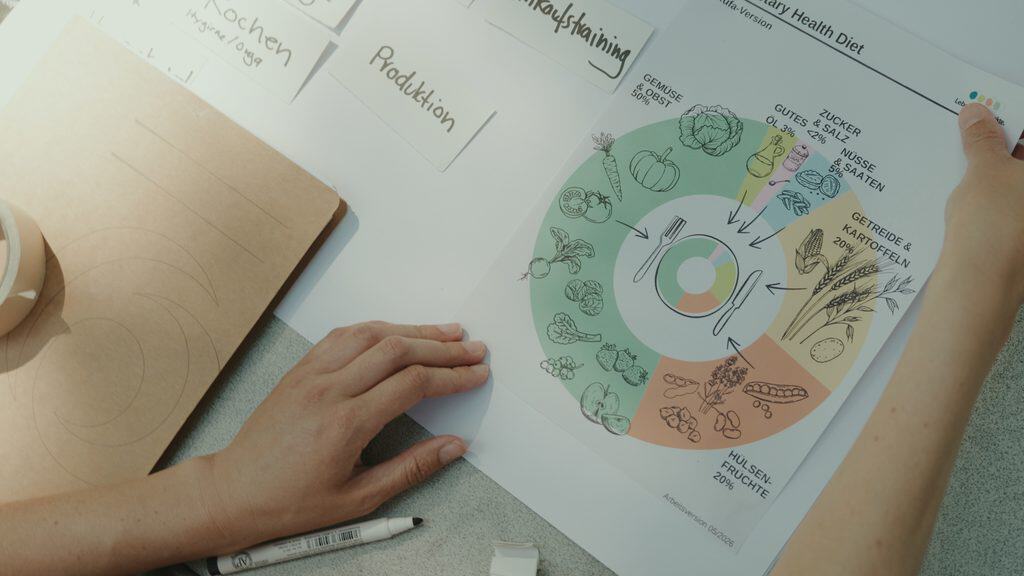
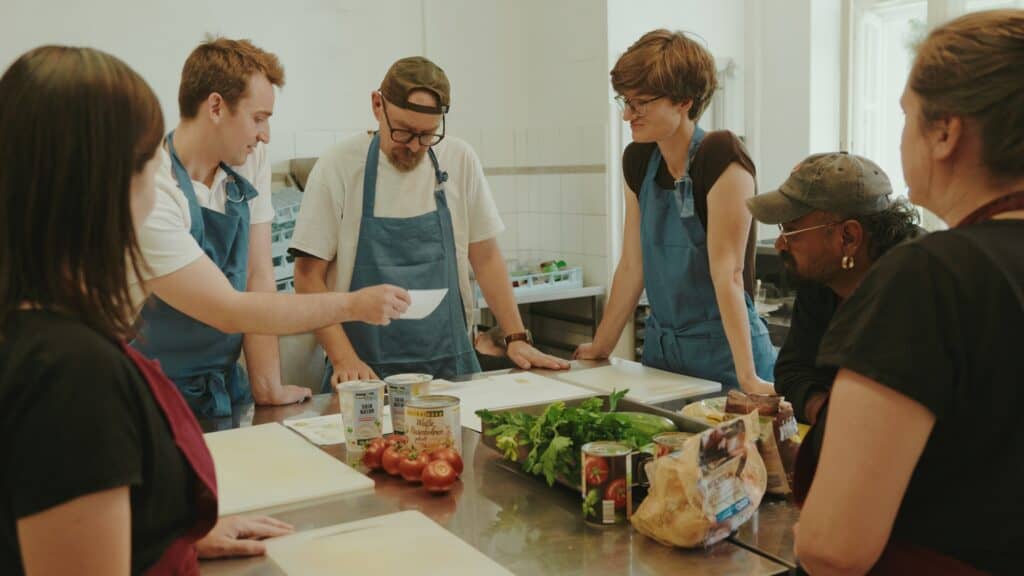
Together with the Kufa organisers at Nachbarschaftshaus Urbanstraße e.V., we held a participatory workshop focused on kitchen organisation, food groups and procurement.The aim was to strengthen the practical organisation of the Kufa while further testing and improving the tools developed by the SWITCH Berlin Hub. We discussed experiences with the tools so far, including in the realities of cooking for different target groups and for vulnerable kufa guests.
The day was deliberately hands-on. For instance, rather than only discussing how food procurement could be improved, we worked directly on the entire organisation of the kitchen and cooked together using SWITCH principles. This allowed the team to test approaches in practice, identify where processes could be streamlined and discuss what could make the kitchen easier to plan and more sustainable over time. This additional refinement session formed part of the iterative process of developing innovative tools and methods, helping to gradually translate emerging ideas into practical, easy-to-use solutions for real-world food system change.
Kufas are an important part of the Berlin hub’s work because they provide a direct connection between food system ideas and everyday life. They are spaces where food access, participation, social connection and sustainable food practices meet. Strengthening their organisation and procurement means supporting the people and structures already creating alternative food practices within Berlin’s neighbourhoods.
Mapping the food environment: creating an evidence base for food policy
The third day, on 8 July, moved to another level of the food system in which the VFnuK helps find change: policy and planning.
At the VFnuK office at Atelier Gardens, the Berlin hub brought together civil servants working in health and food planning departments from different Berlin districts. A key focus was the food mapping work that VFnuK has been developing through SWITCH. Over the course of the project, the Berlin hub has been working systematically to make the local food environment more visible by documenting the wider range of places, initiatives and infrastructures through which people encounter, access and share food. This includes mapping community gardens, food-sharing points and other community food initiatives, alongside other elements of the local food environment.
This kind of mapping provides a different picture of a neighbourhood’s food system. It can show not only where food is sold, but where people grow food together, where surplus food is shared, where community initiatives create access to food, and where alternative forms of food provision already exist.
Making these initiatives visible matters for food policy. For local authorities, a more comprehensive picture of the food environment can help identify gaps, understand existing resources and consider where interventions might have the greatest impact. It can support conversations around public health, access to healthy food, community infrastructure and the development of healthier and more resilient neighbourhoods.
During the workshop, VFnuK presented insights from its SWITCH work and explored with district-level actors how food environment data and mapping can be used as a basis for planning,policy development and the design of district-level food strategies. This is an important part of the SWITCH Berlin Hub’s development: building tools that help connect what is happening on the ground with the institutions responsible for shaping the political realities in which those initiatives operate, while supporting districts in developing practical, implementation-oriented food policy strategies.
Looking ahead
Looking across the three days, the variety of the SWITCH Berlin hub’s work became particularly visible. On one day, the focus was on the relationship between Berlin and Brandenburg and on strengthening connections with local producers and rural communities. On another, it was about the practical organisation of a community kitchen and how community kitchens can strengthen sustainable and inclusive food practices in neighbourhoods. And on the third, the focus was on building an evidence base of Berlin’s food environments and developing mapping and policy-support tools that can help public authorities understand and shape those environments. The summer school gave the Berlin hub an opportunity to bring these different strands together and reflect on what has developed through SWITCH. And the summer school brought together community initiatives, producers and public institutions, while creating space to co-develop and test approaches in practice. In this way, it made a direct contribution to the Berlin hub’s ongoing work on food system change.
Looking ahead, the focus is on strengthening these different areas of work and, above all, the connections between them: between Berlin and Brandenburg, between community food initiatives and wider food systems, and between local knowledge and policy-making.