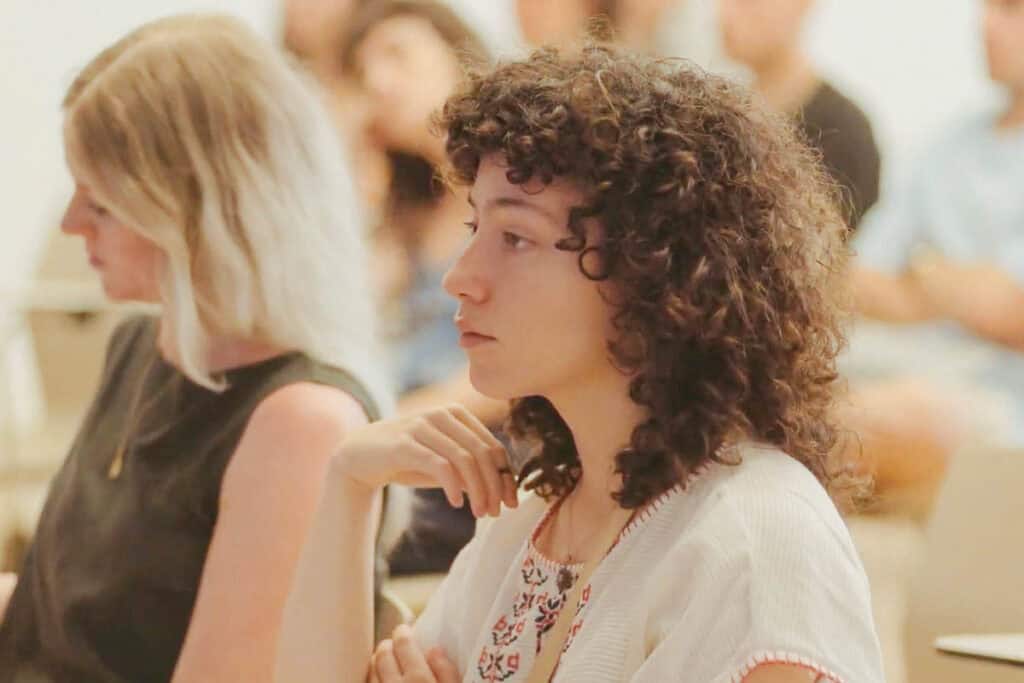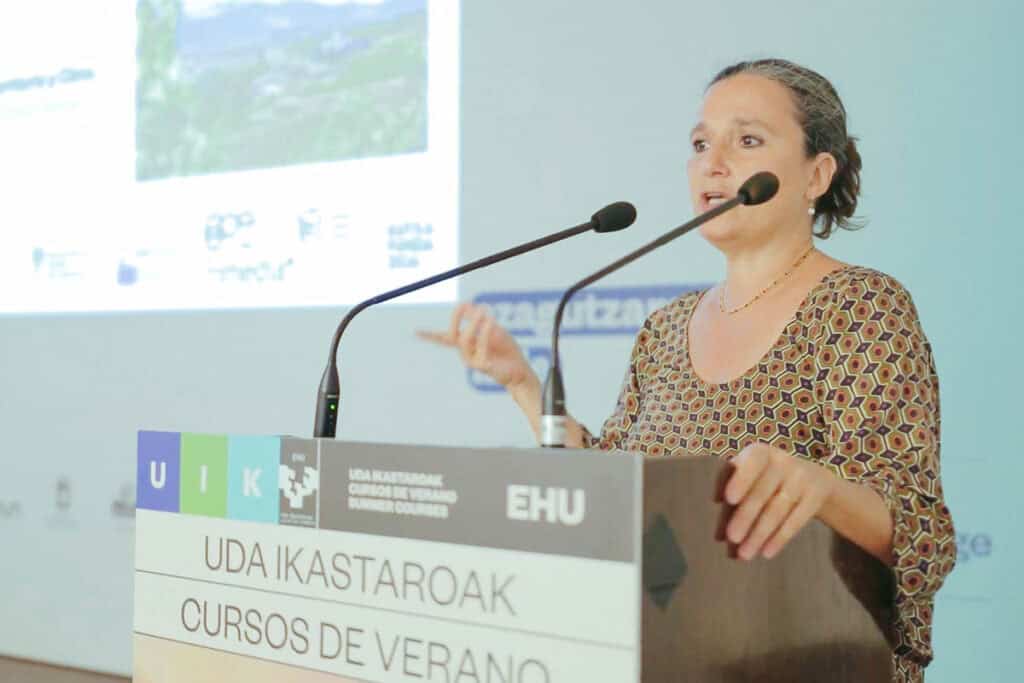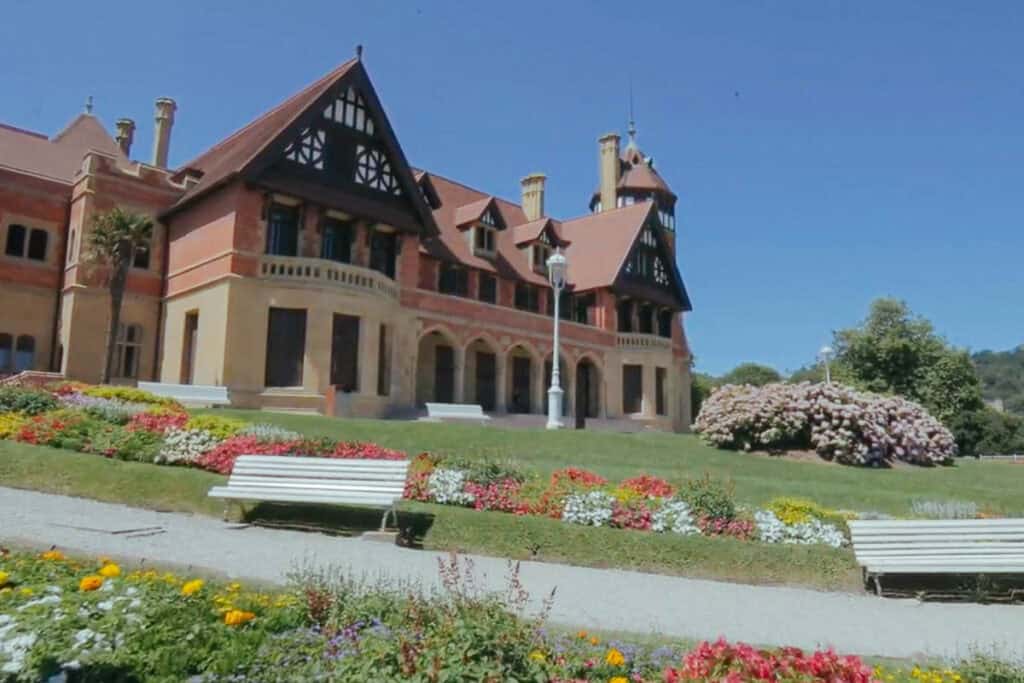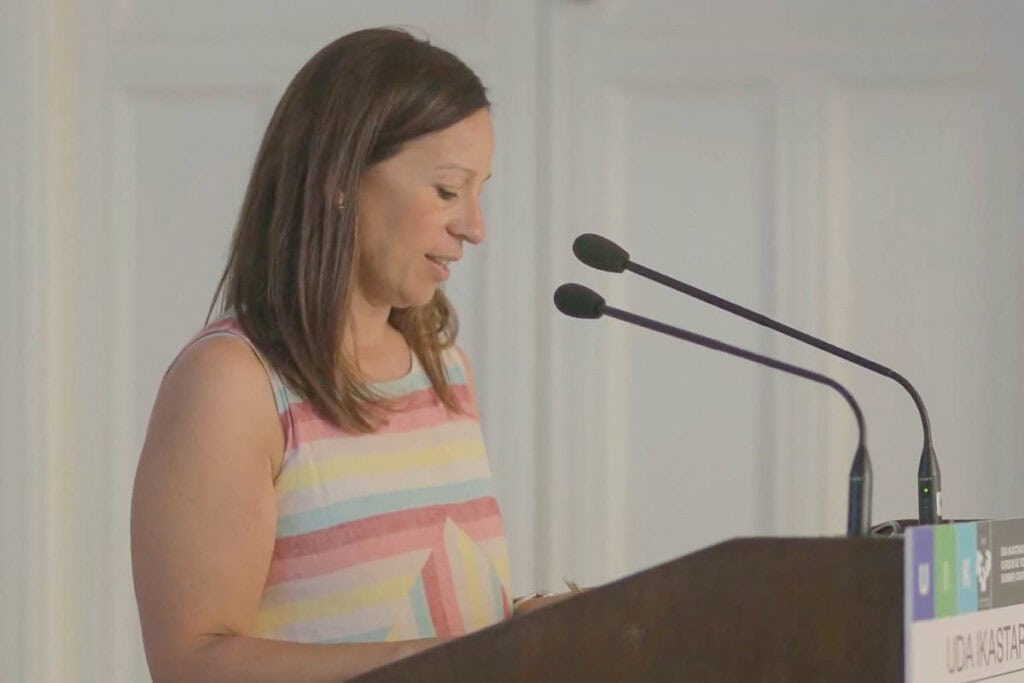
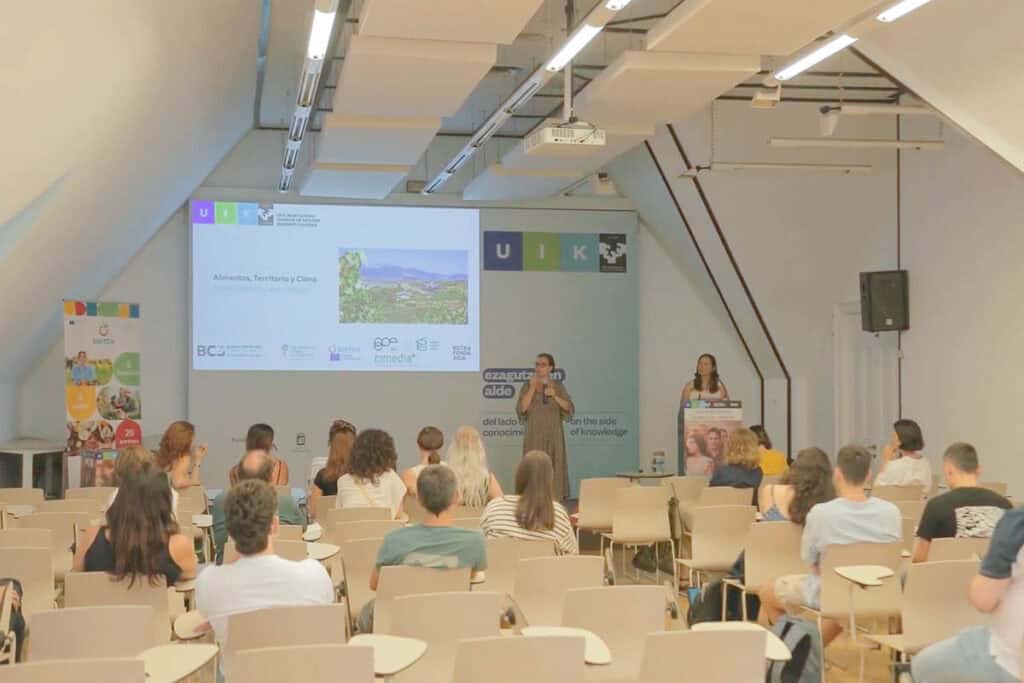
7 of July 2026 – San Sebastián | The Spanish event of the SWITCH Marathon took place within the “Food, Territory and Climate” UIK Summer Course, bringing together researchers, practitioners and representatives from across the food system to address one of today’s most pressing challenges: how to build more sustainable, resilient and equitable food systems in the face of climate change.
The course combined international scientific perspectives with practical experiences from the SWITCH Spanish Food Hub, represented by BC3, GOe and Kutxa Fundazioa. It created a space for dialogue and knowledge exchange between research institutions, public administrations, the agri-food sector, gastronomy, food distribution and civil society.
The programme opened with keynote lectures offering complementary perspectives on food system transformation.
Jessica Fanzo explored the connections between climate change, food systems and global diets, highlighting the need to address environmental, nutritional and social challenges together. Simona Castaldi presented different approaches to assessing the sustainability of diets, emphasising the importance of robust indicators to support effective and evidence-based decision-making.
Neus Escobar focused on the environmental impacts associated with food consumption in Spain. Using Life Cycle Assessment, she examined how dietary choices, food production and international trade contribute to greenhouse gas emissions and other forms of environmental pressure.
On the second day, the discussion moved closer to the Basque context. The sessions explored food expenditure and food security, territorial approaches to food system transformation and the role of agroecology in supporting more sustainable food systems.
Representatives from Alimentta highlighted how agroecological approaches can reinforce local food systems, strengthen resilience and contribute to a fairer and more sustainable transition.
The social dimension of food systems was another central theme of the course. Julia Díez Escudero introduced a public health perspective, examining how epidemiology, the social determinants of health and different forms of vulnerability can help explain why the impacts of climate change and food system transformation are not equally distributed across society.
Her contribution reinforced the importance of placing equity and social justice at the centre of food and climate policies, ensuring that the transition towards sustainability does not leave vulnerable communities behind.
The course concluded with a round-table discussion featuring representatives from the Basque Country, including Cinta Lomba, Olatz Unamunzaga from NEIKER and Arantza Madariaga from ELIKA.
The conversation highlighted the need for shared responsibility throughout the food chain, as well as stronger collaboration between institutions, businesses, researchers and communities to accelerate both climate adaptation and mitigation efforts.
One of the main messages emerging from the Spanish stage of the SWITCH Marathon was that there is no single solution to the food system transition. Building more sustainable food systems requires combining scientific evidence with practical and territorial knowledge, recognising the diversity of actors involved and creating spaces for dialogue that connect climate, health, food and territory.
By bringing these perspectives together, the UIK Summer Course contributed to the wider SWITCH Marathon journey, supporting the exchange of ideas and experiences needed to drive food system transformation across Europe.